Major IT Outage Brings Businesses Around the World to a Standstill:
Insights and Implications for Emergency Management Professionals
Today, a significant IT outage caused by the CrowdStrike Falcon platform has led to widespread disruptions for businesses globally. This event underscores cybersecurity's critical role and IT infrastructure's resilience in maintaining operational continuity. As emergency management professionals, understanding such incidents' causes, impacts, and lessons is vital for enhancing our preparedness and response strategies.
Overview of the Incident
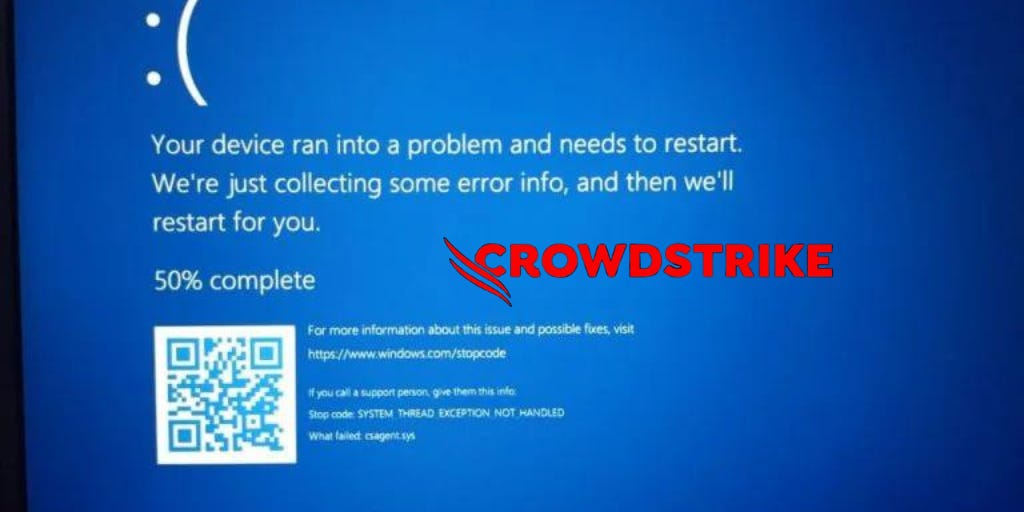
On July 19, 2024, businesses worldwide experienced a major IT outage attributed to issues with the CrowdStrike Falcon platform. CrowdStrike, a leading cybersecurity company, provides endpoint protection and threat intelligence services. The outage affected numerous organizations, causing operational disruptions, loss of productivity, and potential security vulnerabilities.
According to a report from The Conversation, the outage stemmed from a technical failure within CrowdStrike's systems. The exact nature of the failure is still under investigation. Still, initial assessments point to a critical malfunction in the platform’s infrastructure, leading to a cascading effect that impacted connected networks and devices.
In parallel, Wired highlighted that the outage predominantly affected systems running on Windows, amplifying the disruption due to the widespread use of Windows in business environments. The malfunction rendered many security services inoperative, leaving systems vulnerable to threats.
Impacts on Global Business Operations
The outage had immediate and far-reaching consequences for businesses. Key impacts included:
Operational Downtime: Companies relying on CrowdStrike for cybersecurity experienced significant downtime, disrupting critical business operations. This downtime affected customer service, supply chain management, and internal communications.
Financial Losses: Prolonged outages can lead to substantial financial losses. Businesses that fail to meet service level agreements (SLAs) face lost revenues, increased operational costs, and potential penalties.
Security Vulnerabilities: The unavailability of crucial security services exposed systems to cyber threats. While no major breaches have been reported, the risk remains heightened during such outages.
Reputational Damage: Trust in cybersecurity providers is paramount. The outage could erode confidence in CrowdStrike’s reliability, prompting organizations to reconsider their cybersecurity strategies and vendor choices.
Lessons for Emergency Management Professionals
This incident provides several critical lessons for emergency management professionals:
Importance of Redundancy and Resilience: Organizations must prioritize building resilient IT infrastructures with redundant systems to ensure continuity during outages. This includes having backup cybersecurity measures and alternative platforms ready for deployment.
Effective Communication Channels: Maintaining precise and efficient communication channels is essential during IT crises. Organizations should have predefined communication plans to inform stakeholders, manage expectations, and coordinate responses.
Collaboration with Cybersecurity Experts: Establishing solid partnerships with cybersecurity experts and vendors is vital. Regular engagement with these partners can ensure better preparedness and quicker resolution during incidents.
Training and Awareness: Continuous training and awareness programs for employees can mitigate the impact of IT outages. Educating staff on best practices for cybersecurity and response protocols can enhance organizational resilience.
Moving Forward
The CrowdStrike Falcon outage is a stark reminder of the vulnerabilities inherent in our interconnected digital world. For emergency management professionals, this event underscores the need for robust preparedness and response strategies tailored to IT-related disruptions. By integrating these lessons into our practices, we can better safeguard our organizations against future incidents, ensuring continuity and security in an increasingly digital landscape.
In conclusion, while today's IT outage has posed significant challenges, it also offers valuable insights for improving our resilience and readiness. As we analyze this incident's root causes and impacts, let us take proactive steps to enhance our emergency management frameworks, ensuring we are well-equipped to navigate the complexities of the digital age.


