
August 18th - We Communicate
This post is part of our work on the "August is National Emergency Management Awareness Month" campaign - It's one of the four "C"s in our lexicon: Communication.


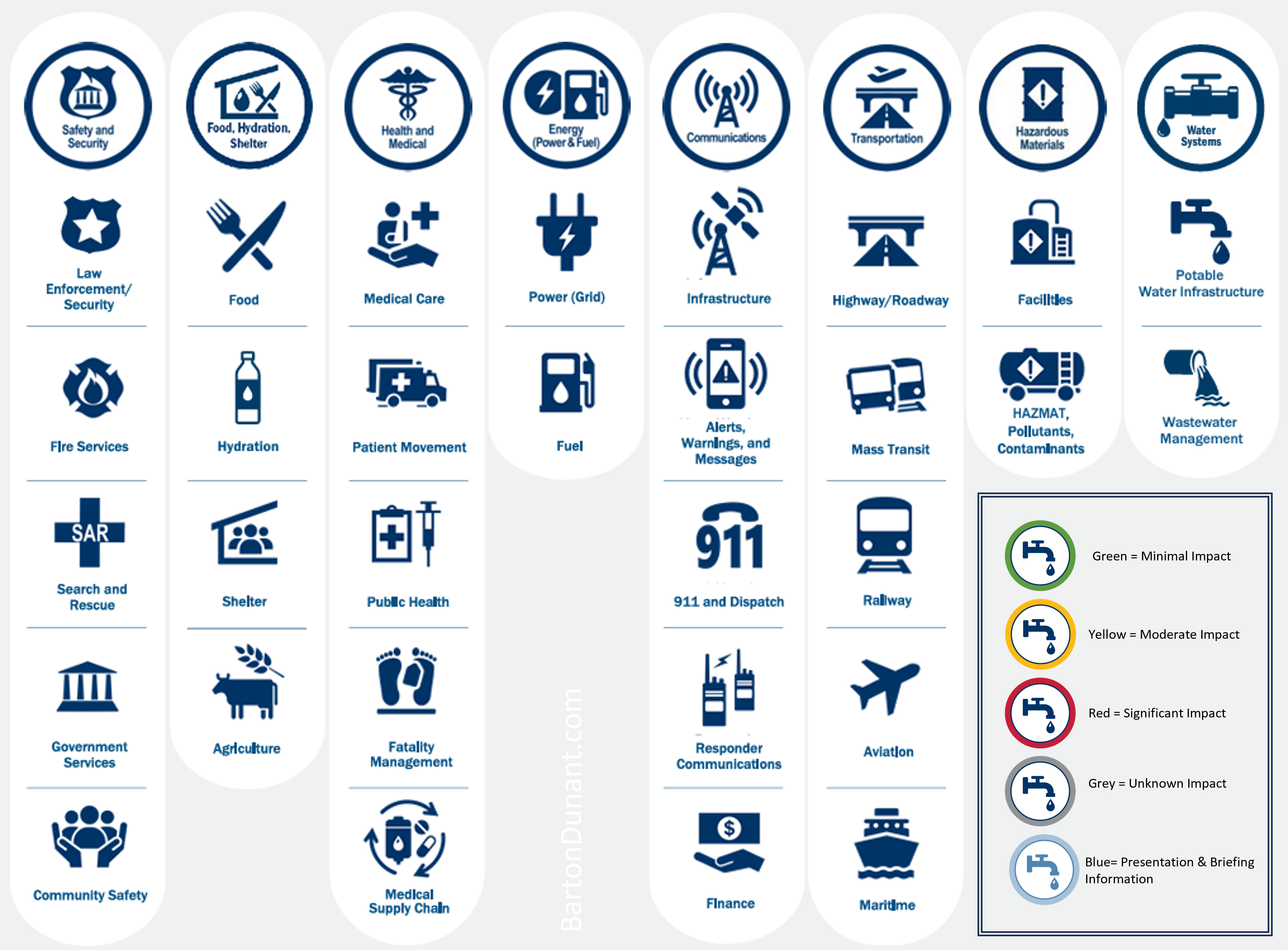
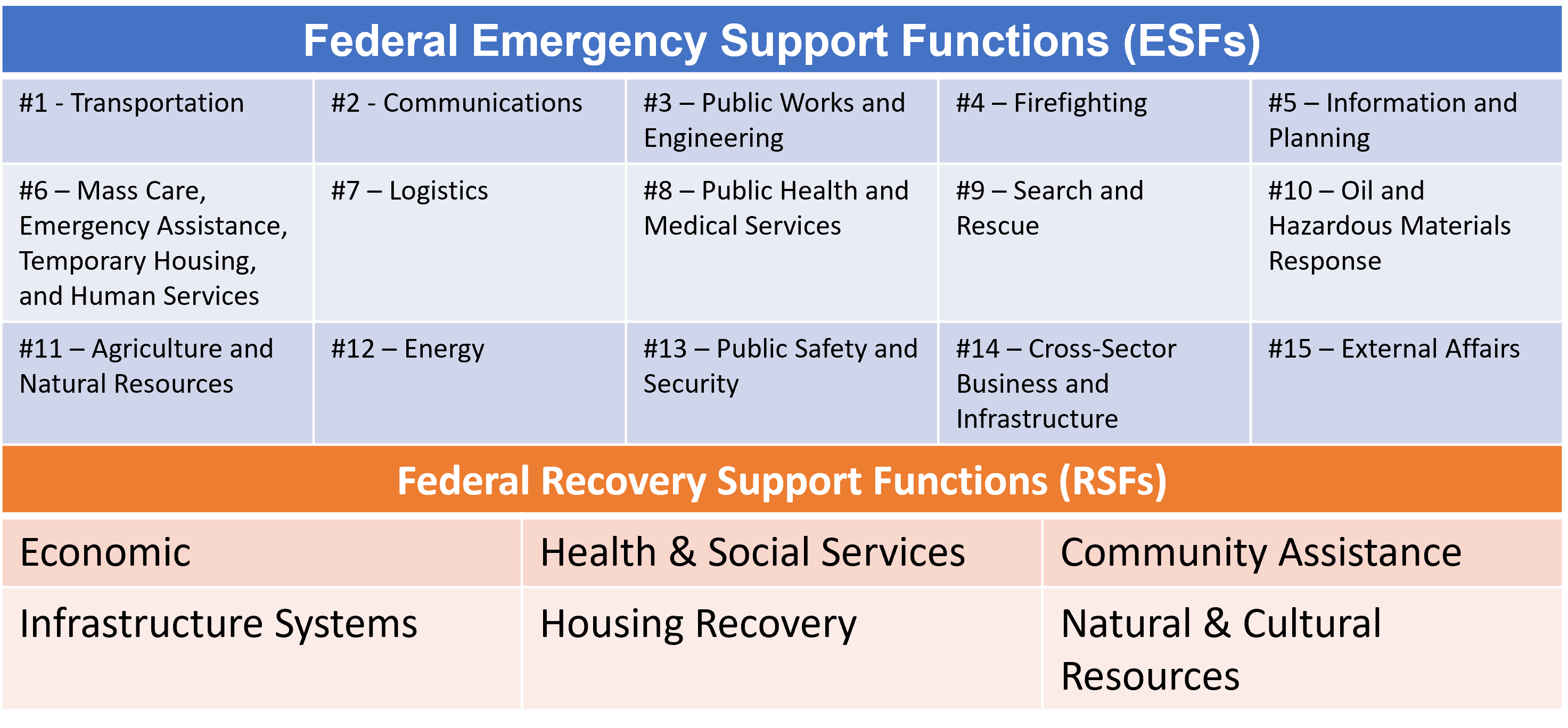
As Emergency Managers, we communicate with allied professionals in other fields - mostly along the U.S. national missions (this may vary country-to-county) and for the community lifelines, as well as aligned to the Emergency Support Functions and Recovery Support Functions. Public Information Officers (PIOs) are also a function of Emergency Management and communicate with (both to and from) the public, politicians not in the direct line of command, and media.
One such collection of non-governmental (and sometimes governmental) partners is the Voluntary Organizations Active in Disaster (VOADs) and Community/County Organizations Active in Disaster (COADs). Emergency Managers in local, county/parish/municipio, state/tribal/territorial governments would be prudent to network and communicate on missions (across all of the disaster phase cycles or missions) with these groups, now. Here’s an article from Michael Prasad, MA, CEM® on this topic, entitled “Start or Restart VOADs/COADs During the Preparedness Phase.”
This can include Faith-Based Organizations (FBOs), as an example. Here’s another article, on the need to network with FBOs from Michael Prasad, MA, CEM® over at the Domestic Preparedness Journal.
Emergency Managers also lead the communication up and down levels of government, across to the private (non-governmental) sector (such as NGOs/FBOs, as noted above), the healthcare sector, water/wastewater sector, etc. when it comes to Emergency Management aspects. Basically everyone involved in Community Lifelines.
Over at the CEMIR's Substack there is an entire section (for paid subscribers) on crisis communications, to benefit public and private sector groups.
https://thecemir.substack.com/s/crisis-communications